Independent reliability and repair assurance for critical centrifugal pumps and engineered seal systems.
URS helps asset owners establish the technical truth behind chronic equipment failures, build practical controls their teams can sustain, and verify the work through repair, installation, and return to service.

Conventional approaches have not resolved the problem.
- 01
A critical pump or seal system has failed more than once — and the real cause has not been identified or resolved.
- 02
A significant repair or overhaul carries enough risk that the owner needs independent technical oversight and clear acceptance criteria.
- 03
Your maintenance and reliability engineering capacity is stretched, dispersed, or temporarily unavailable for specialized pump and seal-system work.
- 04
Existing condition data, operator rounds, or maintenance tasks are not producing useful action on developing equipment issues.
- 05
A turnaround, new installation, or startup involves critical pumping assets where the margin for error is low.
A defined technical process from diagnosis through return to service.
Diagnose the Problem
We establish what is actually happening — technically, mechanically, and operationally — before recommending any course of action. Failure investigations are grounded in field observation and documented evidence, not assumption.
Build the Control
We develop practical, client-owned documentation: repair scopes, inspection and test plans, operating procedures, and PM and PdM practices the client's team can sustain without URS present.
Verify the Work
We remain technically present through repair surveillance, installation, commissioning, and return to service. A well-written specification only protects the asset if the work was executed to match it.
Six areas of concentrated technical capability.
Centrifugal Pump Reliability
Failure investigation, RCFA, bad-actor management, condition-monitoring strategy, and PM/PdM optimization for critical centrifugal pumps.
View capabilityMechanical Seals & Seal-Support Systems
Engineered mechanical-seal failure analysis and API 682 seal-support-system assessment, including piping plans and barrier-fluid systems.
View capabilityRepair Assurance & Shop Surveillance
Independent repair-scope development, inspection and test plans, and owner-side technical surveillance through the repair process.
View capabilityReliability Programs, PdM & Bad-Actor Management
Bad-actor tracking, predictive-maintenance strategy, condition-monitoring program review, and reliability input for rotating equipment.
View capabilityPractical Operating & Maintenance Controls
Client-owned procedures, maintenance task documentation, operator walk-down routes, and equipment-specific response practices.
View capabilityTurnaround, Installation & Return-to-Service Assurance
Technical specification, pre-installation readiness, precision installation verification, commissioning support, and return-to-service records.
View capabilityConcentrated where pump and seal availability carries real consequence.
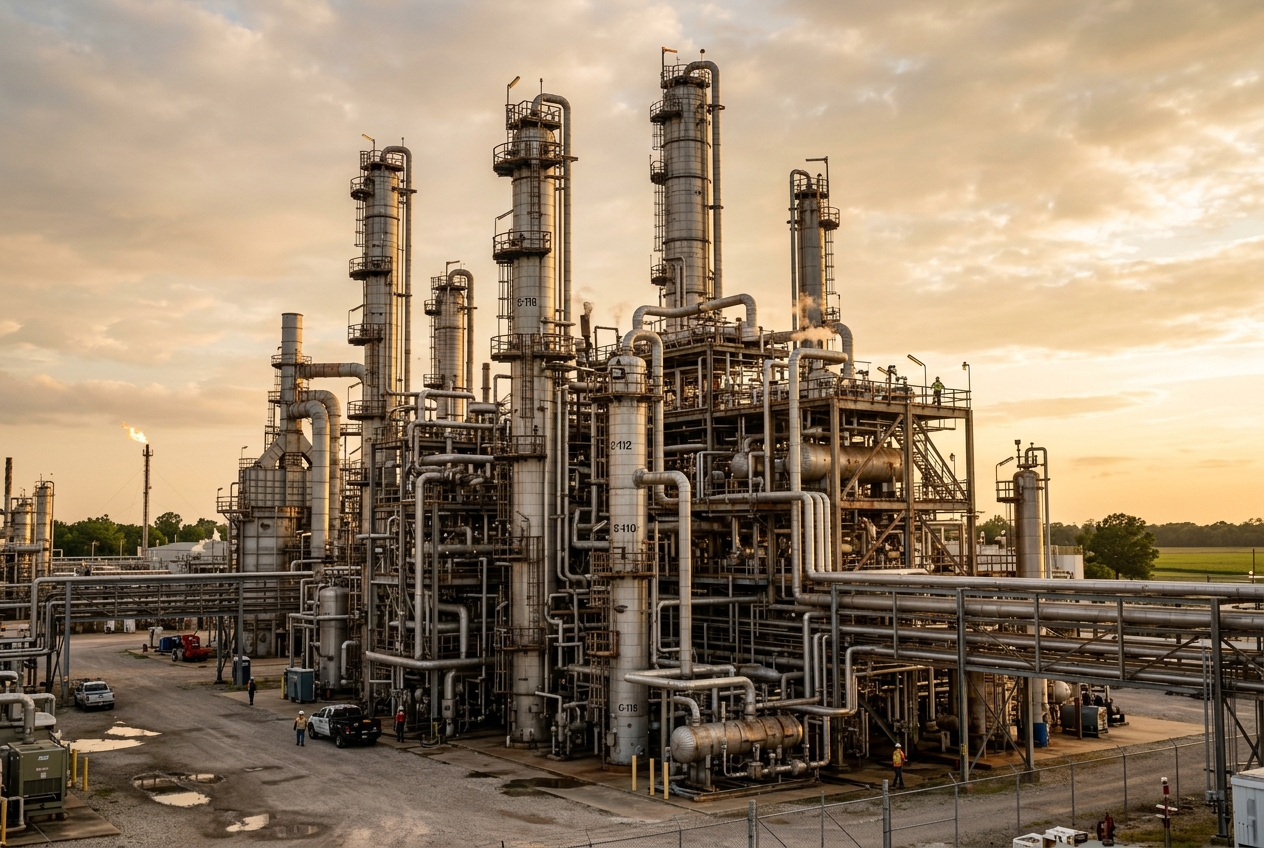
Refining & Petrochemical
Critical API 610 pump fleets, demanding seal services, and turnaround-driven execution risk.
View industry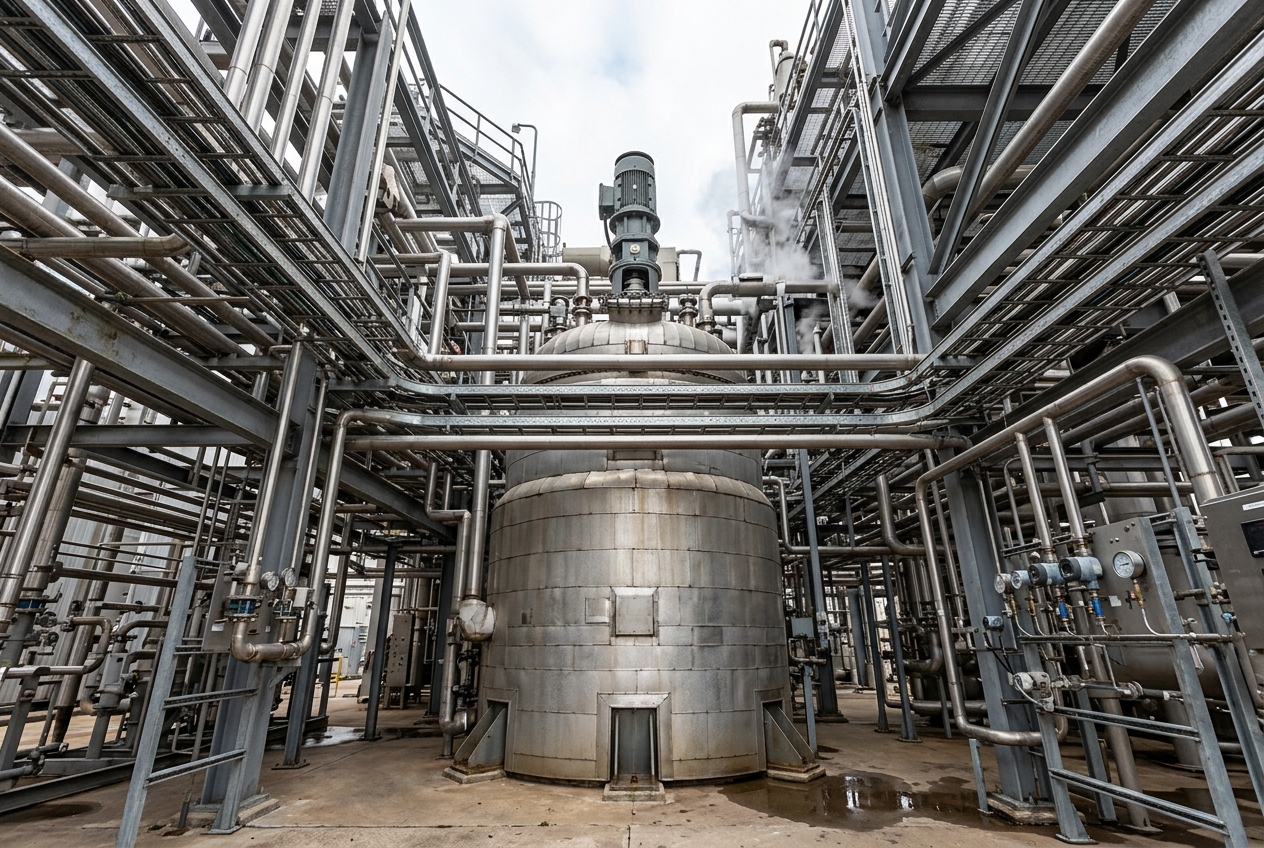
Specialty Process & Chemical
Difficult and hazardous fluid services where seal-system integrity governs safe, continuous operation.
View industry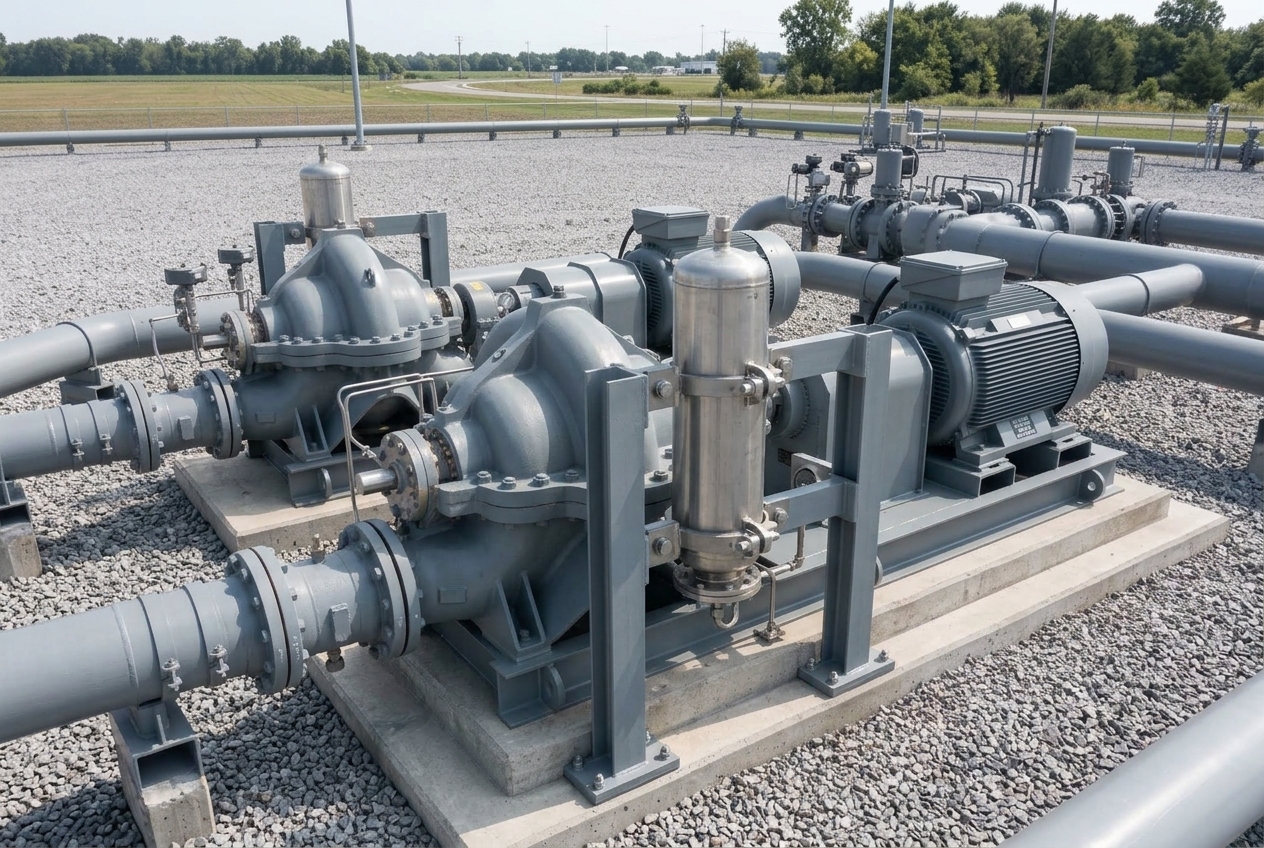
Midstream Pipelines & Terminals
Multiproduct liquid and NGL pump stations where availability directly supports throughput.
View industryProtect the pumping assets that keep product moving.
We support multiproduct liquid and NGL pipeline operators whose continuous throughput depends on the availability of critical centrifugal pumps, engineered mechanical seals, and associated seal-support systems.
Downtime has direct commercial consequences. Engineering and maintenance resources are often distributed across a wide geographic footprint, with limited access to deep pump and seal-system expertise at every station. URS provides field-engaged reliability and repair-assurance support at the asset level — from repeat-failure investigation through repair oversight and verified return to service.

Independent judgment. Practical documentation. Field execution.
Owner-side perspective
URS provides independent technical judgment across the handoffs between asset owners, repair shops, OEMs, seal suppliers, and contractors.
Documentation the client owns
Every engagement produces practical, actionable records — repair scopes, acceptance criteria, operating guidance — that remain with your organization and your team.
Field-engaged through execution
URS brings directly accountable technical involvement and field engagement to work where pump, seal-system, repair, or return-to-service risk is high.
Built for constrained organizations
URS functions as a specialist force multiplier — adding focused pump and seal-system technical depth when internal teams are thin, overloaded, or temporarily unavailable for this work.
Have a critical pump, seal system, repair, or return-to-service concern?
URS works directly with maintenance managers, reliability engineers, turnaround managers, and operations leaders across the Gulf Coast. There is no formal intake process — a direct conversation is the right starting point.
Technically focused reliability and repair assurance.
URS provides reliability and repair-assurance services for critical centrifugal pumps, engineered mechanical seals, and API 682 seal-support systems. URS brings directly accountable technical involvement and field engagement to work where pump, seal-system, repair, or return-to-service risk is high.
Centrifugal Pump Reliability
Establishing why critical pumps fail, and what practical change stops the pattern from repeating.
View capabilityMechanical Seals & Seal-Support Systems
Seal failure analysis and API 682 support-system assessment across arrangements, plans, and auxiliaries.
View capabilityRepair Assurance & Shop Surveillance
Owner-side repair scopes, acceptance criteria, and technical surveillance through the repair process.
View capabilityReliability Programs, PdM & Bad-Actor Management
Turning scattered condition data and repeat failures into a managed, prioritized reliability effort.
View capabilityPractical Operating & Maintenance Controls
Documentation, routes, and response practices the client's own team can apply and sustain.
View capabilityTurnaround, Installation & Return-to-Service Assurance
Readiness, precision installation verification, commissioning support, and verified return to service.
View capabilityNot sure which of these fits your situation?
Describe the equipment and the problem. We will tell you plainly whether it is within URS scope.
Centrifugal Pump Reliability
Critical centrifugal pumps rarely fail for mysterious reasons. They fail for reasons that were never fully established, or were established and never converted into a change the organization could sustain.
Establishing the actual failure mechanism.
URS works from physical evidence, operating history, process conditions, and field observation to determine what is genuinely driving a pump's failure pattern — hydraulic, mechanical, lubrication, installation, operating, or maintenance-practice related.
The output is not a report that restates the problem. It is a specific finding, a defensible technical basis for it, and a practical set of changes the client's team can carry forward and apply without URS present.
What this capability covers.
- Root Cause Failure Analysis (RCFA) and focused failure-mechanism analysis
- Pump failure investigation on critical API 610 and process centrifugal pumps
- Failure Modes and Effects Analysis (FMEA), where appropriate to the asset and the question
- Bad-actor pump identification and repeat-failure tracking
- Vibration-data interpretation and machinery diagnostic support within URS expertise
- Practical condition-monitoring strategy across vibration, lubrication, and thermography
- Lubrication and oil-analysis program review
- Infrared thermography and targeted condition diagnosis where appropriate
- Temporary or leave-behind wireless vibration monitoring where appropriate
- PM and PdM task review and optimization for critical pump populations
- Operator walk-down routes and equipment-focused checklists
- Reliability input to capital-project and equipment-procurement decisions
Have a pump that keeps coming back?
Mechanical Seals & Seal-Support Systems
A mechanical seal rarely fails in isolation. It fails inside a system — process conditions, pump condition, support-system behavior, instrumentation, and operating practice all acting together.
Seal-system expertise, not seal supply.
URS provides engineered mechanical-seal and API 682 seal-support-system expertise, including applicable piping plans, buffer- and barrier-fluid systems, flush and quench arrangements, cooling, filtration, reservoirs, instrumentation, and operating controls.
Because URS does not sell seals or support hardware, the assessment is about what the application actually requires — not about what a particular supplier has available. Where a seal arrangement or support system is genuinely unsuited to the service, we say so plainly and explain the technical basis.

What this capability covers.
- Engineered mechanical-seal failure investigation and failure-mechanism analysis
- API 682 seal arrangement review against actual service conditions
- Seal piping-plan review, including single, dual unpressurized, and dual pressurized arrangements
- Buffer- and barrier-fluid system assessment
- Flush, quench, cooling, and filtration arrangement review
- Reservoir, instrumentation, and operating-control review within seal-support scope
- Seal-system contribution to repeat pump failures
- Practical review of equipment alarm indicators and response practices for seal-support systems
- Seal-system considerations in repair scope and acceptance criteria
- Technical training and knowledge transfer on seal and support-system fundamentals
Seal failures that keep repeating?
Repair Assurance & Shop Surveillance
A repair is only as good as the scope it was performed against and the evidence that the scope was actually met. On a critical machine, neither should be assumed.
Owner-side technical surveillance through the repair.
URS develops the repair scope, defines the acceptance criteria, and provides owner-side technical surveillance while the work is performed — reviewing condition findings, machining and tolerance evidence, component condition, assembly practice, balance documentation, and final records within the agreed scope.
The purpose is to give the asset owner a clear, documented technical basis for accepting the repair, and to catch the issues that are far cheaper to resolve on the shop floor than after the machine is back in service.

What this capability covers.
- Independent repair-scope development for critical pumps and seal systems
- Inspection and test plans with defined hold points, witness points, and acceptance criteria
- Owner-side technical surveillance at the repair facility
- Review of incoming condition assessment and failure evidence
- Review of machining, tolerances, and fits within the agreed scope
- Component condition evaluation and replace-or-restore input
- Assembly practice observation and verification against the scope
- Review of balance evidence and supporting documentation
- Review of final repair documentation and data records
- Owner-side acceptance support and repair acceptance recommendations
High-value repair going out the door?
Reliability Programs, PdM & Bad-Actor Management
Most sites are already collecting more condition information than they are acting on. The gap is rarely data. It is prioritization, interpretation, and a workflow that survives a busy week.
From scattered indicators to a managed effort.
URS helps reliability and maintenance organizations identify which pump and seal-system assets are actually consuming the most cost, risk, and attention — then builds the tracking, task structure, and monitoring approach that keeps those assets visible and managed over time.
The emphasis is on what a constrained team can realistically sustain. A program that requires more attention than the organization has available is not a program; it is a document.
What this capability covers.
- Bad-actor identification, tracking, and repeat-failure management
- Predictive-maintenance strategy and program structure
- Maintenance-task and PM/PdM optimization
- Condition-monitoring program review: vibration, lubrication, oil analysis, thermography
- Temporary or leave-behind wireless vibration monitoring where appropriate
- Vibration-data interpretation and machinery diagnostic support
- Criticality and prioritization input for pump and seal-system populations
- Reliability input to mechanical-integrity and single-point-of-vulnerability assessments for rotating-equipment and seal-system risks
- Practical review of equipment alarm indicators and response practices
- Technical training and knowledge transfer for planners, engineers, and technicians
Same equipment, same failures, every year?
Practical Operating & Maintenance Controls
A finding only becomes reliability improvement when it turns into something the organization does differently — written clearly enough that it still works when the people who wrote it are not in the room.
Documentation the client owns and can sustain.
URS builds practical repair, operating, maintenance, and monitoring controls that the client's team can actually apply — written for the people who will use them, at the level of detail the work requires, and structured so they survive turnover and competing priorities.
Everything URS produces stays with the client. There is no dependency on URS to interpret it, maintain it, or reissue it.
What this capability covers.
- Client-owned operating procedures for critical pump and seal-system assets
- Maintenance task documentation and field-ready work guidance
- Operator walk-down routes and equipment-focused checklists
- Repair scope templates and acceptance criteria the client can reuse
- Inspection and test plan structures for future repair work
- Practical review of equipment alarm indicators and response practices
- Connecting failure mechanisms to operating, monitoring, and maintenance response workflows
- Technical training and knowledge transfer for operators, mechanics, planners, and engineers
Need controls your team will actually use?
Turnaround, Installation & Return-to-Service Assurance
The window is fixed, the resources are committed, and the consequences of a poor installation do not appear until the unit is running. This is where independent technical attention pays for itself.
Technically present through execution.
URS supports critical pump and seal-system work from pre-turnaround readiness through installation, commissioning, and verified return to service — verifying that what was specified is what was actually installed, and that the machine is genuinely ready to run.
Field verification includes alignment and balance verification where appropriate, and verification against relevant P&IDs and as-built conditions.
What this capability covers.
- Repair scope and technical specification development ahead of the event
- Pre-installation inspection and readiness verification
- Precision installation verification, including alignment and balance verification where appropriate
- Baseplate, grouting, piping strain, and installation-practice observation within scope
- Field verification against relevant P&IDs and as-built conditions
- Seal and seal-support-system installation and readiness verification
- Commissioning and startup-readiness support
- Return-to-service documentation and acceptance support
- Post-startup condition verification within agreed scope
Turnaround or startup with critical pumps in scope?
Where pump and seal-system availability carries real consequence.
URS's work is concentrated in Gulf Coast process, storage, and midstream operations — industries where the reliable performance of critical centrifugal pumps and engineered seal systems directly affects throughput, safety margins, and operating cost.
Refining & Petrochemical
Large critical pump fleets, demanding seal services, and execution risk concentrated into turnaround windows.
View industrySpecialty Process & Chemical
Difficult, hazardous, or tightly specified fluid services where seal-system integrity governs safe operation.
View industryMidstream Pipelines & Terminals
Multiproduct liquid and NGL pump stations and terminals where availability directly supports throughput.
View industryWorking with independent API repair shops
URS also works with selected independent repair shops performing critical pump work on behalf of end-user clients — providing owner-side repair scopes, acceptance criteria, and technical surveillance. In these engagements URS represents the asset owner's technical interest, not the repair facility's.
Working in one of these environments?
Refining & Petrochemical
Large critical pump populations, demanding seal services, and a maintenance and reliability organization carrying far more assets than it has specialist hours to cover.
Specialist depth where the fleet is largest.
Refining and petrochemical sites typically have a small number of pumps that generate a disproportionate share of maintenance cost, unplanned work, and operational risk. Those machines usually have a history — and that history usually contains the answer.
URS provides focused pump and seal-system technical capacity for exactly that population: failure investigation, repair scopes and acceptance criteria, shop surveillance, installation verification, and return-to-service support.
- Repeat failures on a critical or high-cost pump service
- Seal and seal-support-system problems in demanding applications
- Repair scope development and owner-side shop surveillance
- Turnaround readiness and return-to-service verification
- Bad-actor program support for critical pump populations
- Technical capacity during vacancies, leave, or peak workload
Have a bad actor in your critical pump fleet?
Specialty Process & Chemical
Difficult fluids, tight specifications, and seal systems that must perform correctly because the consequences of leakage are not measured only in maintenance cost.
Seal-system integrity in demanding service.
Specialty chemical and process operations often run pumps in services where the seal arrangement, support system, and operating practice are inseparable from safe, continuous production — and where a marginal design decision made years ago is still generating failures today.
URS brings independent seal and seal-support-system judgment to those applications, along with the practical documentation and training that help a smaller technical organization sustain the improvement.
- Seal and seal-support-system failure investigation
- API 682 arrangement and piping-plan review against actual service
- Repeat pump failures in difficult or hazardous fluid services
- Operating and maintenance controls for critical seal systems
- Technical training for operators, mechanics, and engineers
- Repair scope, acceptance criteria, and shop surveillance
Seal system fighting the service it's in?
Protect the pumping assets that keep product moving.
We support multiproduct liquid and NGL pipeline operators whose continuous throughput depends on the availability of critical centrifugal pumps, engineered mechanical seals, and associated seal-support systems.
Availability at the station is availability on the system.
Downtime on a pipeline pump has direct commercial consequences. Engineering and maintenance resources are frequently distributed across a wide geographic footprint, and few operators can carry deep pump and seal-system expertise at every station.
URS provides that depth where and when it is needed — from repeat-failure investigation and seal-support-system assessment through repair surveillance and verified return to service.
Configurations we commonly see.
Pipeline and terminal services frequently involve API 610 BB3 pumps with Arrangement 2 dual unpressurized seals, often using Plan 11 with Plan 52. Higher-pressure mainline services commonly involve API 610 BB5 pumps with Arrangement 3 dual pressurized seals, often supported by Plan 53B or Plan 53C barrier-fluid systems.
These are common configurations, not the limits of URS scope. The relevant question is always what the specific service, pump, and support system actually require.
- Repeat seal or pump failures at a mainline or booster station
- Barrier- and buffer-fluid support-system assessment
- Repair scope, acceptance criteria, and shop surveillance
- Installation verification and return-to-service support
- Condition-monitoring and response practices across distributed stations
- Technical capacity for teams covering a wide geographic footprint
Pump availability affecting throughput?
Working with independent API repair shops
URS is engaged by asset owners. On shop work, that means URS is present to represent the owner's technical interest — with a clearly defined scope, defined acceptance criteria, and no ambiguity about who URS works for.
Clear scope makes the work easier for everyone.
In practice, a well-written repair scope with explicit hold points, witness points, and acceptance criteria removes most of the friction from a critical repair. The shop knows exactly what is expected, what will be reviewed, and what evidence closes out the job.
URS does not compete with repair facilities and does not perform repair work. Where a shop has performed correctly against a defined scope, the documentation URS produces supports that plainly.
- Owner-side repair scopes and technical specifications
- Inspection and test plans with defined hold and witness points
- Technical surveillance during the repair
- Review of condition findings, tolerances, assembly, and balance evidence
- Review of final documentation and data records
- Owner-side acceptance support
Questions about how URS works on shop engagements?
Diagnose the problem. Build the control. Verify the work.
URS engagements follow a consistent technical sequence. The scale changes; the sequence does not.
Diagnose the Problem
We start with what is physically there: the equipment, the failure evidence, the operating and process history, the maintenance record, and the conditions the machine actually sees. We work in the field, not from a desk summary.
The objective is a specific, defensible finding — not a restatement of the symptom and not a list of generic possibilities.
Build the Control
A finding becomes useful when it becomes a repair scope, an acceptance criterion, a revised task, a walk-down route, an operating practice, or a monitoring and response expectation.
URS writes those controls for the client's own team to own and apply — at a level of detail that matches how the work is actually performed.
Verify the Work
URS stays technically present through the execution: repair surveillance, installation verification, commissioning support, and return-to-service documentation.
This is the step most often skipped, and the step where the difference between a specification and a result is actually determined.
What a first conversation looks like.
There is no formal intake process. A first conversation is usually fifteen or twenty minutes: what the equipment is, what the service is, what has happened, what has already been tried, and what is at stake if it happens again.
From there, URS will tell you plainly whether the problem is within scope, what an engagement would involve, and whether it is worth doing at all. If it is not a fit, we will say so and, where we can, point you toward what is.
How URS fits alongside your team.
URS operates as a technically embedded extension of the client's maintenance and reliability organization — adding independent pump and seal-system judgment, specialized diagnostics, practical documentation, and field execution support when internal capacity is constrained.
That means working with your engineers and planners rather than around them, and leaving the organization with documentation and understanding it did not have before.
Straightforward commercial arrangements.
- Defined-scope projects with a stated deliverable
- Time-and-materials support for field, shop, and turnaround work
- Ongoing advisory support for recurring pump and seal-system questions
- Scheduled surveillance and verification tied to a repair or turnaround event
Documentation that stays with your organization.
- A specific technical finding with a defensible basis
- Repair scopes, inspection and test plans, and acceptance criteria
- Operating procedures, walk-down routes, and maintenance task guidance
- Verification records through installation, commissioning, and return to service
Where URS focuses — and how we coordinate beyond it.
URS focuses on the reliability, repair assurance, operating controls, and return-to-service execution of critical centrifugal pumps, engineered mechanical seals, and their associated support systems. When a project requires expertise outside that focus, we help clients define the machinery and seal-system workstream and coordinate effectively with the appropriate specialists.
- URS provides technical verification, repair-assurance support, and owner-side acceptance criteria; it does not represent itself as a regulatory inspection or certification body.
- URS may provide equipment-specific monitoring and response guidance, while final control-system configuration, safety-system design, alarm governance, and management-of-change approval remain with the client's designated authorities.
- URS supports the pump, seal-system, repair, and return-to-service workstream; it does not provide pipeline hydraulic-transient or surge-modeling services.
- URS's core practice is centrifugal pumps, engineered seals, and seal-support systems. It does not market itself as a centrifugal-compressor or steam-turbine specialist.
Ready to describe the situation?
An independent owner-side firm for critical pumps and seal systems.
Uptime Reliability Solutions was established in 2016 to do one thing well: represent the asset owner's technical interest on critical centrifugal pumps, engineered mechanical seals, and seal-support systems — from failure diagnosis through verified return to service.
Why URS exists.
There is a persistent gap in industrial reliability work. Repair shops are accountable for the repair they were asked to perform. Vendors are accountable for the product they supplied. OEMs are accountable for their equipment. Consultants are often accountable for the report.
Very few parties are accountable for the machine actually working — across the handoffs, through the execution, and after startup. That is the space URS was built to occupy.

How URS represents the owner.
URS represents the asset owner's technical interest from failure diagnosis through verified return to service. We work across the technical handoffs between operations, maintenance, engineering, repair facilities, OEMs, seal suppliers, and contractors—helping clients establish the right path, document practical controls, and verify execution in the shop and field.
Representing the owner also means being willing to deliver findings the client may not want to hear — including findings about prior repairs, prior recommendations, or internal practice. That is the value of an owner-side party.
How URS works in the market.
URS has experience navigating the procurement, safety, access, insurance, and onboarding requirements common to complex industrial accounts — which is often what makes a focused technical engagement practical to arrange in the first place.
URS operates as a specialist force multiplier—adding focused pump and seal-system technical depth when internal teams are thin, overloaded, or temporarily unavailable. The result is practical technical capacity that helps critical work move forward while strengthening the standards, documentation, and operating controls the client retains.
Built for the handoffs that create reliability risk.
Critical equipment problems rarely belong to one department or one vendor. They move through operations, maintenance, engineering, repair facilities, OEMs, seal suppliers, contractors, and startup teams. URS brings focused pump and seal-system judgment across those handoffs—so the technical path is clear, the required controls are documented, and execution is verified before the asset is trusted again.
Want to know whether URS is a fit?
Ready to discuss a critical asset concern?
URS works with maintenance managers, reliability engineers, turnaround managers, and operations leaders across the Gulf Coast. There is no formal intake process — just a direct conversation about your equipment and what you need.
- Office
- 8830 FM 3180 Rd, Suite 205
Baytown, TX 77523 - Service area
- Houston and the Gulf Coast industrial corridor
Insights
This page exists in the site structure and is ready to activate. It is not linked from navigation and is not part of the public launch version. When reviewed articles are ready, the navigation link is enabled without any redesign.
Work With URS
URS is a focused technical practice supporting critical pump, seal-system, reliability, repair-assurance, and field-execution work. This page provides a direct path for qualified professionals who would like to be considered as needs arise, as well as for employment verification and other HR-related inquiries.
Professional interest
We welcome introductions from experienced professionals with relevant background in centrifugal pumps, engineered mechanical seals and seal-support systems, rotating equipment, reliability, repair assurance, field execution, or related technical disciplines.
We also welcome interest from capable administrative and business-support professionals who can contribute to a focused technical practice.
To be considered for future opportunities, email hr@thechoiceisurs.com with the subject line “Future Consideration — [Your Name],” along with your résumé, a concise summary of relevant experience, and your location.
URS reviews relevant submissions and may contact qualified individuals as needs arise.
Employment verification and HR inquiries
For employment verification or other employment-related inquiries, contact hr@thechoiceisurs.com.
You may also call (346) 233-1402 and select the HR option from the department menu.
Please include your organization, the individual’s name, your relationship or authorization, and the information requested.